How We Handle Car Key Replacement for Every Major Brand
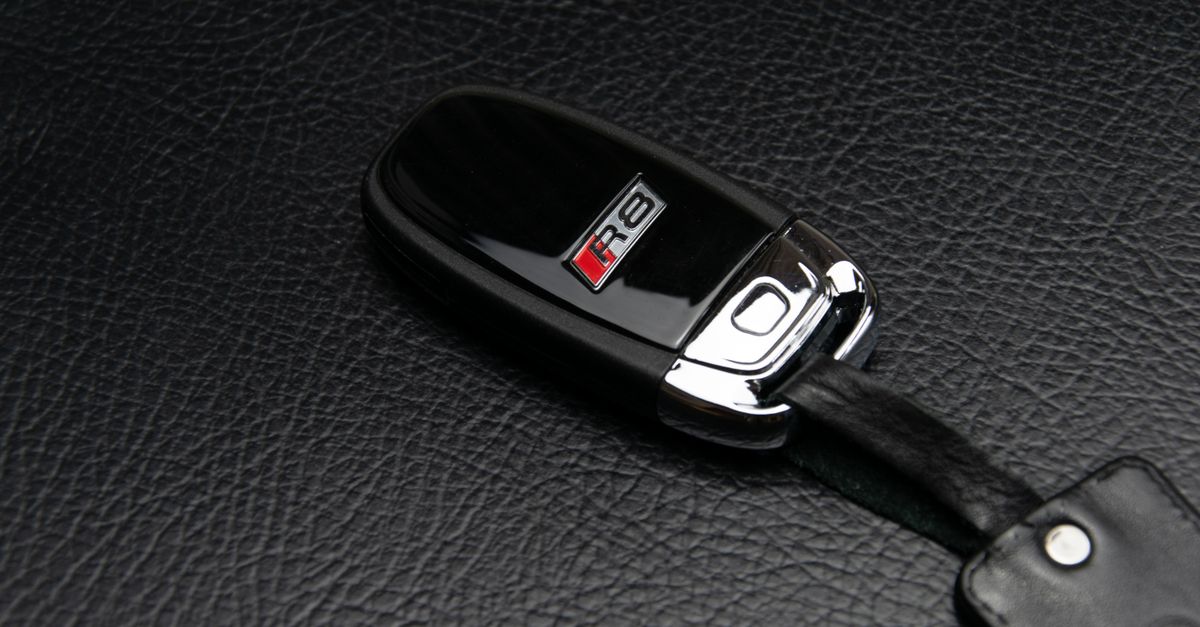
The process and complexity of replacing a vehicle key varies dramatically depending on the manufacturer. For Toyota and Lexus vehicles — among the most popular in Toronto — we cut and program transponder keys and proximity fobs on-site, including the H-chip and 128-bit encrypted keys found on newer RAV4 and Camry models. Honda and Acura keys, which use a distinct flip-key and smart-entry design, are cloned or freshly programmed using EEPROM-level access when needed. Ford and Lincoln push-to-start systems require PATS (Passive Anti-Theft System) programming synced directly to your vehicle's PCM, which our technicians perform roadside in most cases. For GM vehicles — Chevrolet, GMC, Cadillac, Buick — we handle the full range from older B-cut transponders to the newer high-security VAT keys and proximity fobs. German-brand vehicles including BMW, Mercedes-Benz, Audi, and Volkswagen present some of the most complex key systems in use today, featuring encrypted infrared or UHF communication, and our technicians carry brand-specific hardware and software to address them correctly. Hyundai, Kia, Nissan, Subaru, Mazda, Jeep, Ram, Dodge, and Chrysler are all part of our regular workload as well.
When every key to a vehicle has been lost — a situation sometimes called an all-keys-lost replacement — the process is more involved than simply cutting a duplicate. We must bypass the existing key memory in the vehicle's immobilizer module and enroll brand-new keys as if the car has never had any before. This requires direct OBDII or EEPROM access depending on the make and year, and it takes longer than a standard duplicate cut. We explain this clearly before we start, confirm an exact price up front, and only proceed with your approval. There are no surprise charges when the job is done.