What Home Rekeying Actually Does to Your Locks
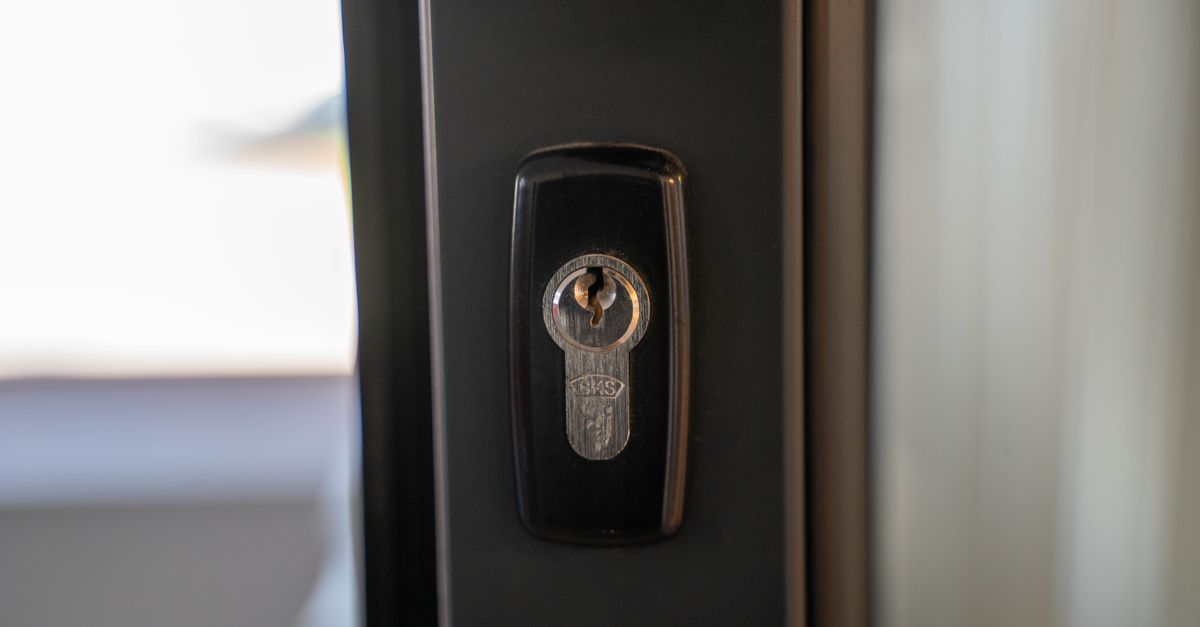
Inside every pin-tumbler lock — the type found in the vast majority of Toronto residential doors, from Victorian rowhouses in Cabbagetown to modern builds in North York — is a set of small metal pins cut to a specific height pattern. That pattern is what makes your key work and prevents any other key from turning the cylinder. When we rekey a lock, our technician disassembles the cylinder, replaces the internal driver pins and key pins with a new set, and reassembles everything so that only the freshly cut key will operate it. The lock's body, hardware, and finish remain untouched. This process works on standard deadbolts, door knob locks, lever-handle locks, and the more complex mortise lock — a full-body mechanism common in older Toronto homes and many semi-detached properties that were built before the 1970s.
A mortise lock deserves special mention because its rekeying process is more involved than a simple deadbolt swap. The cylinder must be carefully extracted from the mortise pocket in the door edge, rekeyed on a professional pin kit, and reinserted with correct torque so the cam engages the latch and deadbolt throws properly. Attempting this without the right tools risks cracking the cylinder housing or misaligning the mechanism. Our technicians carry dedicated mortise lock tooling and a wide range of replacement pin sets so the job is done cleanly and damage-free where the existing hardware allows.