Signs Your Door Knob Lock Needs Replacing — Not Just Repairing
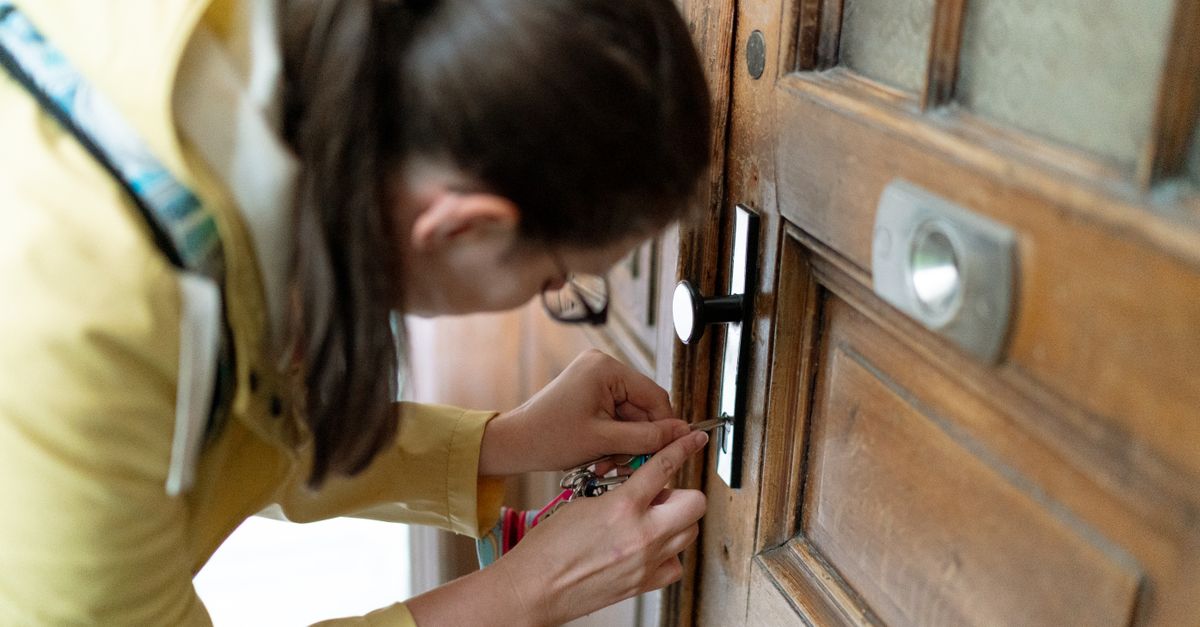
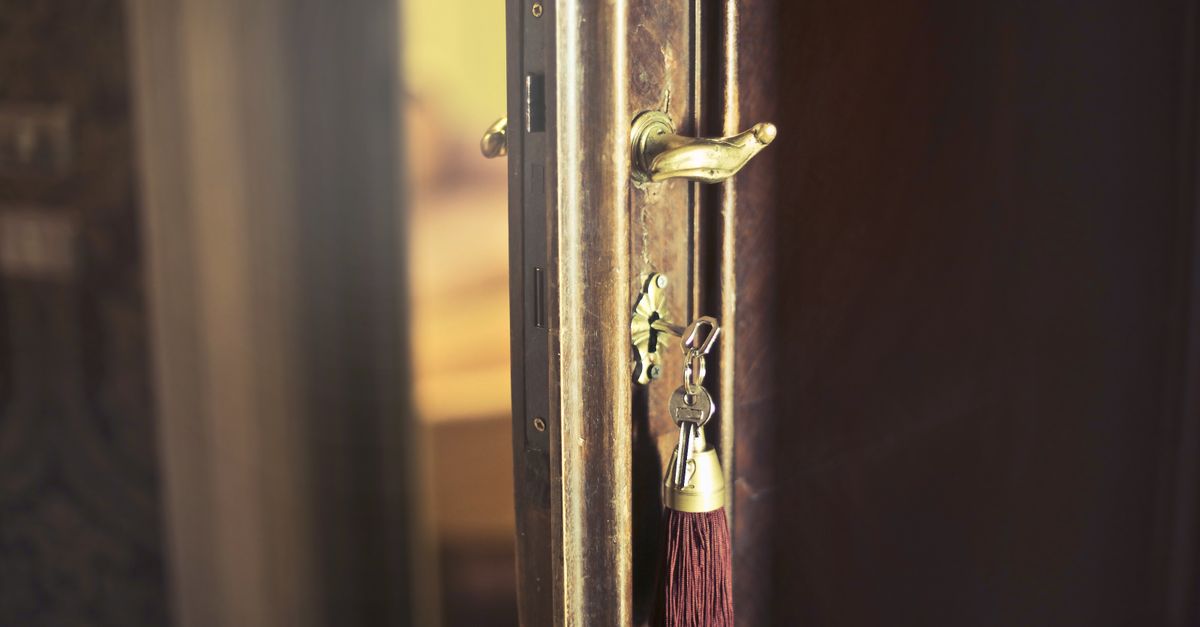
Many Toronto homeowners tolerate a stiff or sticky knob lock far longer than they should, assuming it is just a lubrication issue. There are specific warning signs that point to full replacement instead: the spindle rotates but the latch no longer retracts smoothly, the lock cylinder spins freely without engaging, visible corrosion has formed around the faceplate after repeated freeze-thaw cycles, or the original lock is a builder-grade unit with no security rating whatsoever. Rental units in older Parkdale and Leslieville buildings are especially prone to these issues because the hardware often predates modern manufacturing tolerances. A repair on compromised internals rarely holds for long, and a second service call almost always costs more than replacing the hardware correctly the first time.
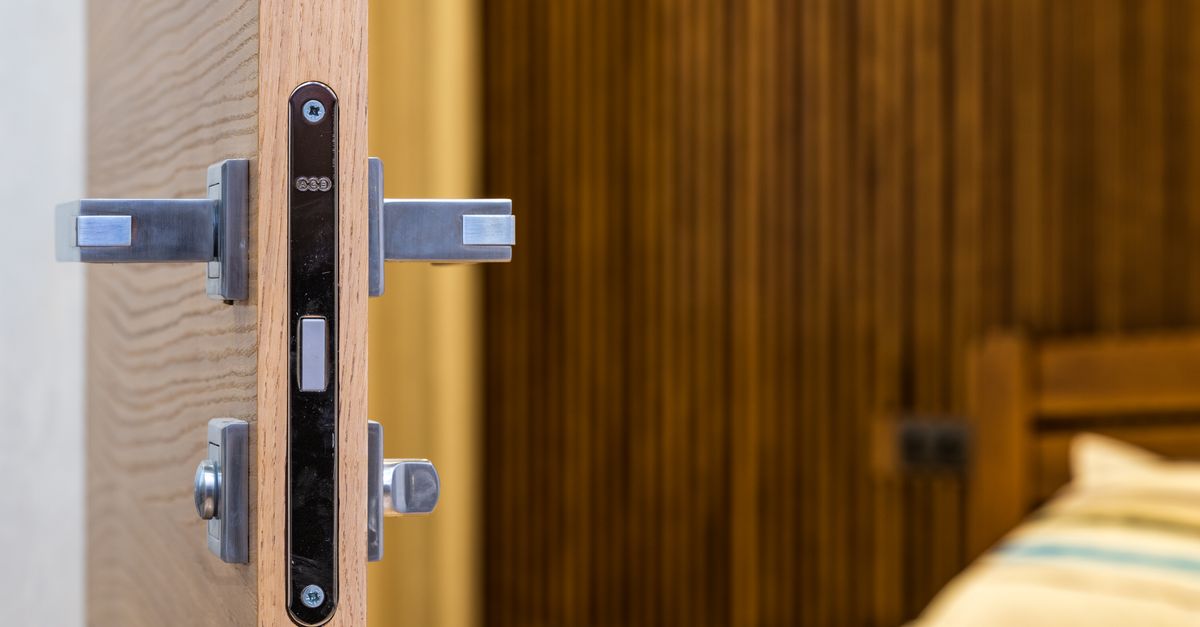
There is also the matter of outdated design. A basic knob lock without a deadbolt above it is not considered a standalone security solution by most insurers or property managers. Knob locks are vulnerable to lateral force — the knob itself can be sheared or leveraged — which is precisely why a mortise lock or a keyed deadbolt is so often recommended alongside them. Our technicians assess the full door assembly on arrival and advise honestly on whether a like-for-like swap is sufficient or whether a more robust solution, such as a mortise lock installation, will genuinely improve your protection.