What Is a Mortise Lock and Why Toronto Homes Still Rely on Them
A mortise lock is a lock body that is installed inside a precisely routed pocket — the mortise — cut into the edge of the door itself, rather than mounted on the door surface. The internal mechanism typically combines a spring-driven latch bolt, a keyed deadbolt throw, and a thumb-turn or lever trim on the interior face, all within a single rectangular steel or brass case. Because the lock body is embedded in the door's core, it draws its holding strength from the wood or steel surrounding it, making a well-fitted mortise lock mechanically stronger than a bored cylindrical lock under lateral force.
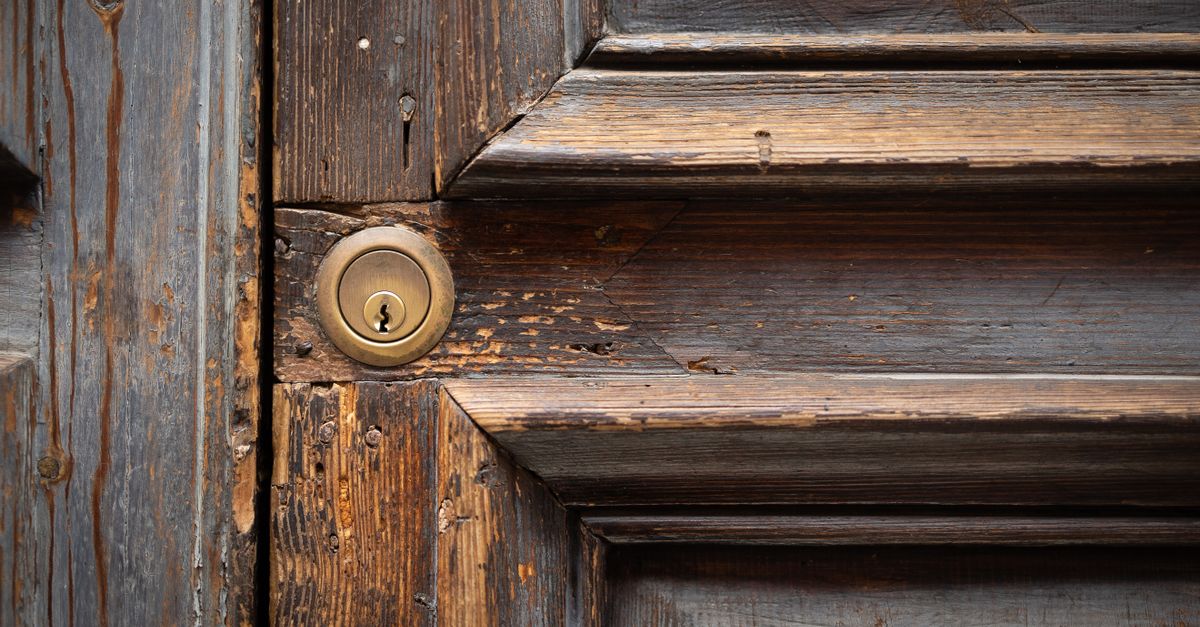
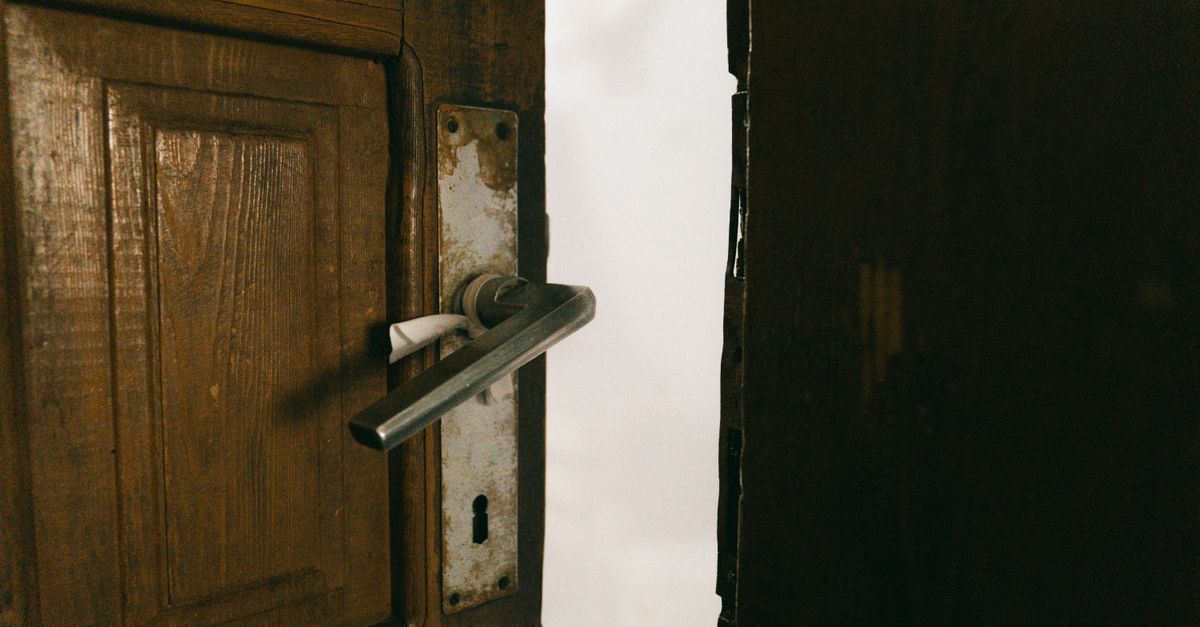
In Toronto, these locks were the residential and commercial standard from roughly the 1880s through the 1960s. Walk down any block in Leslieville, High Park North, or Little Portugal and you will find front doors still carrying their original mortise lock sets — sometimes with the original skeleton-key cylinders, sometimes retrofitted with modern pin-tumbler cylinders over the decades. The challenge our technicians encounter most often is that the internal components — the cam, the follower, the springs — have fatigued or corroded over 80 to 100 years of use. Recognizing which parts can be rebuilt versus which require a full replacement is a specialist skill, and it is precisely what our team is trained to assess.