Guardian Gate Toronto Locksmith Service Team
Local locksmith team
Sep 7, 2026 10 min read
It happens faster than you'd expect. You step outside your front door on a King West side street to grab a package, hear the latch click behind you, and suddenly realize your keys are sitting on the kitchen counter. Or maybe you've just come home to a Midtown condo after a long shift and your key snapped clean off in the cylinder. Being locked out of your house is stressful under the best circumstances — but in a dense, fast-moving city like Toronto, where weather can turn on a dime and neighbours aren't always close by, it can feel genuinely urgent.
Before you panic, there are a few practical steps worth taking right now. And when those steps don't resolve the situation, knowing exactly what to expect from a 24/7 emergency locksmith — what information to have ready, how long they'll realistically take to reach you, and what happens when they arrive — can make the whole experience far less overwhelming. This guide walks you through all of it.
## Step One: Stay Calm and Do a Quick Sweep Before Anything Else
The first thing to do when locked out of your house is resist the urge to force anything. Attempting to wedge a door, pry a window frame, or tamper with a lock can cause damage that costs significantly more to repair than a professional locksmith call — and in some cases it simply doesn't work, leaving you worse off. Instead, spend five minutes running through a short checklist. Is there a secondary entrance — a back door, a side gate, a basement entry — you may have left unlocked? Did you give a spare key to a neighbour, a family member, or a building superintendent? If you're in a rental unit, your property manager or superintendent is often reachable after hours and may have a master key on hand. For condo residents in buildings along Yonge, Bloor, or Spadina, the concierge desk is your first call.
If none of those options pan out, check your windows — not to force them open, but to confirm whether any are already unlatched at ground level. A window that swings inward from a secured latch is not a safe or practical entry point, and climbing through a window in a dense urban neighbourhood is likely to alarm your neighbours (and potentially prompt a visit from Toronto Police). The honest truth: for most lockout scenarios, a professional is the fastest, safest, and most damage-free solution. The good news is that an experienced locksmith can typically open a standard door knob lock or a mortise lock in a matter of minutes without harming your door or frame.
## What to Do If Locked Out of Your House: Information to Have Ready When You Call
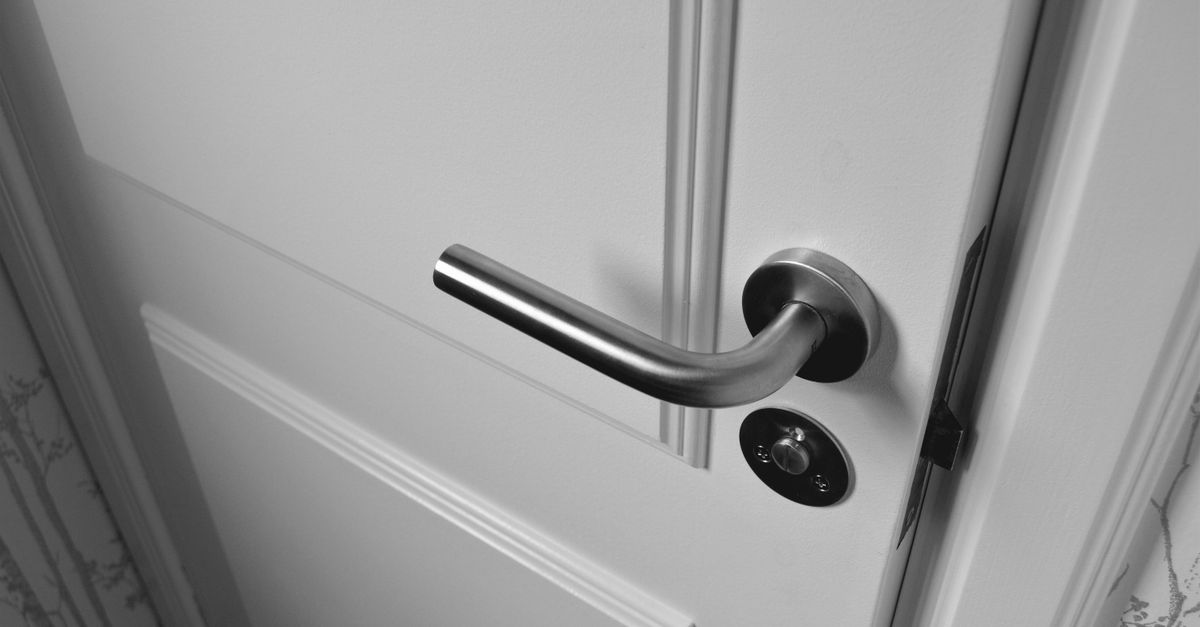
Once you've decided to call an emergency locksmith, the call itself goes much faster if you have a few things ready. First, your full civic address — including unit number if you're in a multiplex or condo tower. In a city the size of Toronto, 'the red brick house on Dundas' won't help a dispatcher route a technician efficiently. Second, be prepared to describe your lock. Is it a traditional round door knob lock? A deadbolt? A lever-handle set? Or is it a mortise lock — the rectangular mechanism set into the door edge that's common in older Toronto semi-detached homes, Victorian-era row houses, and many commercial buildings along Queen Street East? Mortise locks are more complex than a standard deadbolt, and knowing this upfront lets the technician bring the right tools.
You'll also be asked for a phone number where you can be reached at the door, and — importantly — you'll need to be prepared to verify your identity as the resident or owner. A professional locksmith will always ask for proof that you have the right to access the property before any work begins. This is standard practice, not a bureaucratic hassle: it protects you, your neighbours, and the technician. Acceptable verification typically includes a piece of government-issued ID showing your address, a lease agreement on your phone, or a utility bill. If you're a homeowner, your driver's licence with a matching address is usually sufficient. Have whatever you've got ready before the technician arrives — it speeds things up considerably.
## Realistic Arrival Times Across the Toronto Area
Toronto is a big city with genuinely variable traffic, and anyone who quotes you a flat arrival time without knowing your neighbourhood is guessing. That said, here's a realistic picture. For addresses in the downtown core — the Entertainment District, the Financial District, Corktown, Distillery District, or Liberty Village — response times during off-peak hours tend to be short, often under 30 minutes. During rush hour on a weekday, add time for the King Street corridor, construction detours, and event traffic near Scotiabank Arena. For mid-city neighbourhoods like Leslieville, Roncesvalles, Danforth, or the Annex, expect similar or slightly longer windows depending on where the nearest technician is dispatched from. Further out — Scarborough, Etobicoke, North York — can run longer, particularly late at night when traffic thins but distances are greater.
Guardian Gate Toronto Locksmith operates 24/7 as a fully mobile service, which means technicians are already on the road rather than waiting at a fixed shop. When you call 437-525-4159, the dispatcher will give you an honest estimated arrival window based on current conditions and the nearest available technician — not a scripted promise. Use that time productively: find a warm, safe spot to wait (a lobby, a café, a neighbour's porch), gather your ID, and note any specific details about your lock that might help, such as the brand (Schlage and Kwikset are among the most common in Toronto residential properties) or whether the lock has been recently replaced or is visibly damaged.
## What Happens When the Locksmith Arrives — and What It Costs to Know
A skilled locksmith's first job is not to pick your lock — it's to assess the situation. For a standard door knob lock or deadbolt, a non-destructive entry technique is almost always possible and is always the preferred approach. For a mortise lock, the process involves understanding the specific mechanism inside the door edge, which varies by manufacturer and age. Mortise locks are particularly common in Toronto's older housing stock — pre-war semis in Parkdale, century homes in the Beaches, and mixed-use commercial buildings where a commercial locksmith has been through before. Because they are more intricate than a surface-mounted deadbolt, they require a technician with genuine hands-on experience, not just a basic toolkit.
Before any work begins, Guardian Gate will confirm an exact price with you upfront. The final quote depends on several factors: the type of lock involved (a mortise lock, for example, involves more complexity than a simple knob lock), the time of day, the travel distance to your location, and whether any parts or replacements are needed. There are no surprises after the job is done. If you're locked out of your house with no key and your existing lock is damaged beyond saving, the technician will explain your replacement options on the spot — and again, confirm the cost before touching anything. That transparency is non-negotiable. If a situation arises mid-job that changes the scope, you'll be told before it's acted on.
## Can Police Help If You're Locked Out? And How to Prevent This From Happening Again
A question that comes up often: can police help if locked out of your house? The short answer is no, not in the way many people hope. Toronto Police are not equipped to open residential locks, and responding to a lockout is not within their standard service mandate. In genuine emergency situations — say, there's a vulnerable person inside who can't get to the door — they may intervene, but for a standard residential lockout, they will refer you to a locksmith. It's worth knowing this in advance so you don't lose time waiting for a response that won't resolve the situation.
Prevention is worth spending a moment on. After your lockout is resolved, consider getting a spare key cut and leaving it with a trusted friend, family member, or neighbour — not under a mat or a fake rock, which are the first places a burglar checks. If you have a mortise lock or an older door knob lock that's been showing signs of wear (stiff turning, resistance on the key, slight grinding), ask the technician to assess it while they're there. Many lockouts happen because a worn lock finally fails at the worst possible moment. Upgrading to a high-quality deadbolt or a modern mortise lock set, having a keypad entry installed, or re-keying after a move are all investments that pay off in reliability and peace of mind. Guardian Gate handles all of these services — call 437-525-4159 and we can walk you through the right option for your door and your budget.
## Our Full Range of Locksmith Services in Toronto
Guardian Gate Toronto Locksmith provides a comprehensive range of residential, automotive, and commercial services across the Toronto area, available around the clock. Our services include: residential lockout assistance, mortise lock opening and repair, mortise lock replacement and installation, door knob lock replacement, deadbolt installation and upgrade, lock re-keying after a move or lost key, master key system setup for landlords and property managers, high-security lock installation, smart lock and keypad entry installation, broken key extraction from lock cylinders, door frame and strike plate repair following a break-in, window lock installation and repair, sliding door lock service, garage door lock service, safe opening and combination changes, automotive lockout service for cars, trucks, and SUVs, car key replacement and cutting, transponder key programming, ignition lock service, commercial locksmith services for retail units and office spaces, commercial mortise lock installation and maintenance, push bar and panic hardware installation, access control system support, lock-out service for storage units and padlocks, and after-hours emergency response for property managers and building superintendents across Toronto and the surrounding area.
Frequently asked questions
How long does it take for an emergency locksmith to arrive in Toronto?+
Arrival times vary by neighbourhood and time of day. In the downtown core and inner-city areas, technicians often arrive within 30 minutes or less during off-peak hours. For areas further out — Scarborough, Etobicoke, upper North York — expect a somewhat longer window. When you call 437-525-4159, our dispatcher will give you an honest estimated arrival time based on where our nearest mobile technician is at that moment, not a scripted number.
What do I need to show a locksmith to prove I live at the property?+
Standard practice is to show government-issued photo ID — a driver's licence or Ontario photo card — with an address that matches the property. If your ID address doesn't match (for example, you recently moved), a signed lease, a utility bill on your phone, or a piece of addressed mail can help establish residency. The verification step protects everyone and only takes a moment. Technicians will always ask before beginning work.
What is a mortise lock and why does it matter for my lockout?+
A mortise lock is a locking mechanism that sits inside a pocket (mortise) cut into the edge of the door, rather than being mounted on the surface. They are common in older Toronto homes — Victorian semis, row houses, pre-war walk-up buildings — and in many commercial properties. Because the mechanism is internal and more complex than a standard deadbolt or door knob lock, opening or servicing a mortise lock requires a technician with specific hands-on experience. When you call, let us know if your door has a mortise lock so the right tools and expertise arrive with the technician.
Will calling a locksmith damage my lock or door?+
In the vast majority of residential lockouts, a qualified locksmith can open your door using non-destructive techniques, leaving your lock and door frame fully intact. The exception is when a lock is already damaged — a snapped key stuck in the cylinder, a seized mechanism, or a lock that has been previously tampered with — in which case replacement may be necessary. The technician will assess the situation first and explain the approach before doing anything. You will always know what the plan is and what it will cost before any work begins.